


When It Comes to Court Style, No One Serves Like Serena Williams
When It Comes to Court Style, No One Serves Like Serena Williams

Matthew VelascoMon, June 29, 2026 at 1:00 PM UTC
18
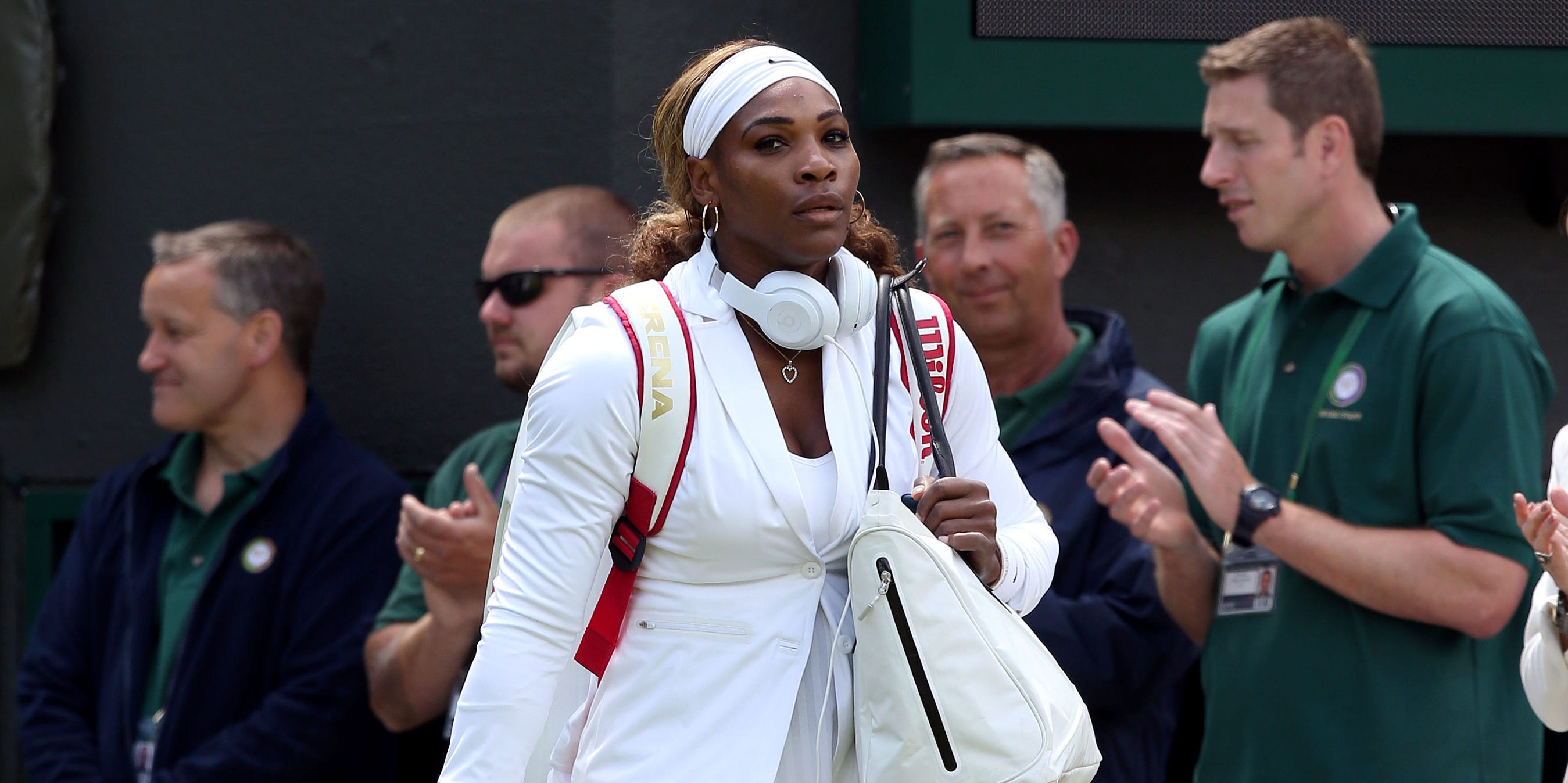
Serena Williams Always Wins at Court StyleJohn Walton - PA Images - Getty Images
"Hearst Magazines and AOL may earn commission or revenue on some items through these links."
Serena Williams has never been one to stay in her lane. In the early 2000s, while collecting titles at the US Open and Wimbledon, she was also carving out time for fashion school. It was an early signal that her eye for style would become as much a part of her legacy as her dominance on the court.
“Style was always part of how Serena showed up,” says Williams’s longtime stylist Kesha McLeod. “For a long time, tennis was only about the game. With Serena, what she wore on court was part of who she was, not something added on. Fashion and competition were never two different things for her.”
In 2003, Williams inked a blockbuster deal with Nike—one that would forever change the way tennis players dressed. Sensing her crossover appeal, the sportswear giant gave her room to push the boundaries of on-court style. The first true headline-maker arrived at the 2004 US Open: a pleated denim miniskirt paired with custom sneaker boots, a look that instantly became part of tennis fashion history.
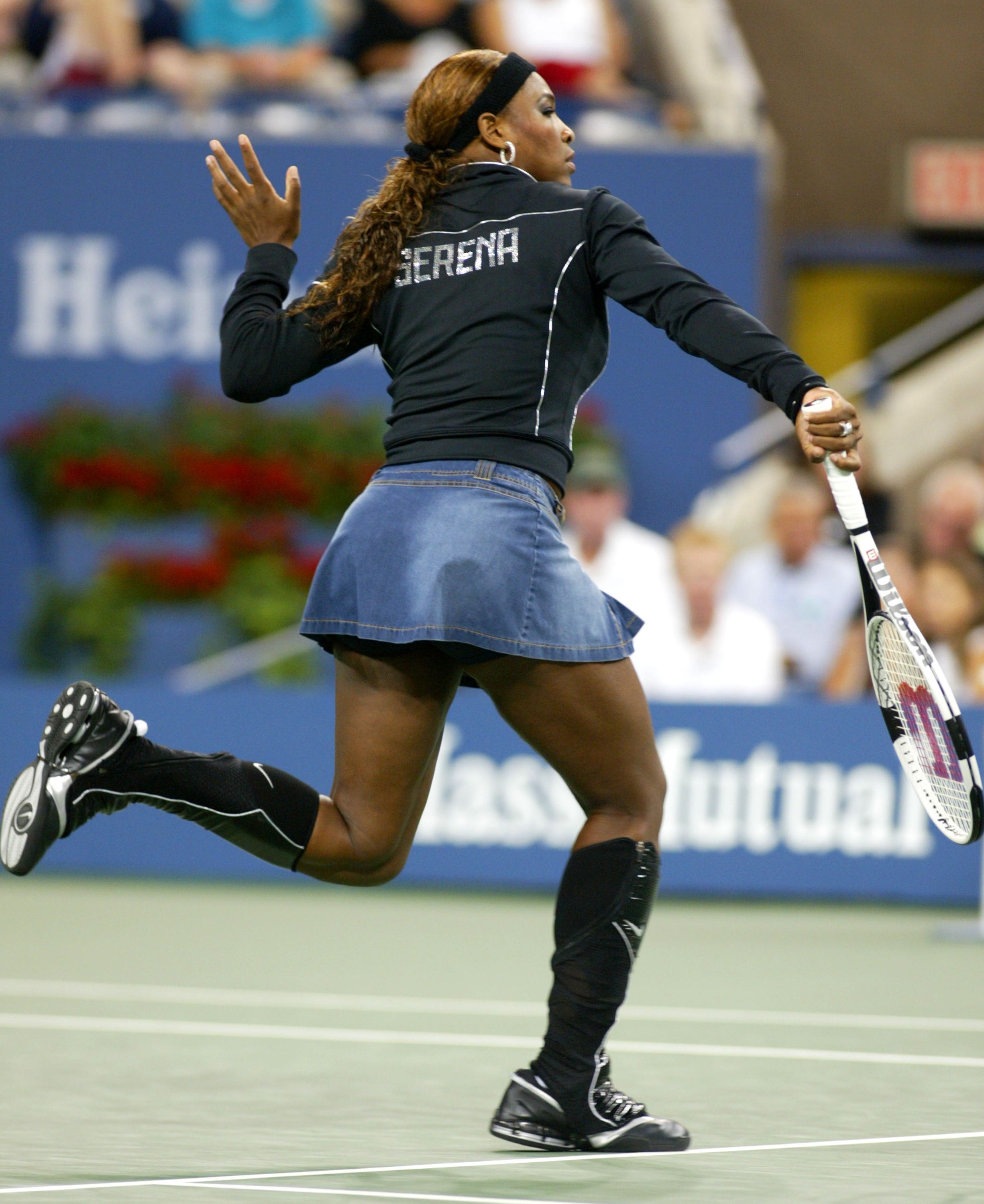
US Open, 2004.Ron Angle - Getty Images
“She moved to Nike because she saw what they were doing with [Andre] Agassi, and she was like, ‘I want that. I want the jean shorts, but as a skirt,’” says Sunita Kumar Nair, author of ACE: The Times & Style of Tennis. Agassi broke the mold with acid-washed denim, neon color palettes, and his now-iconic mullet, but no one—and truly, no one—transformed tennis fashion the way Williams did.
The performative element of her ensembles, from dramatic walk-on capes to custom jackets and floor-sweeping trains, would go on to inspire the grand entrances embraced by a new generation of tennis stars, including Naomi Osaka and Coco Gauff. But her ensembles, however stylish, always prioritized performance and function.
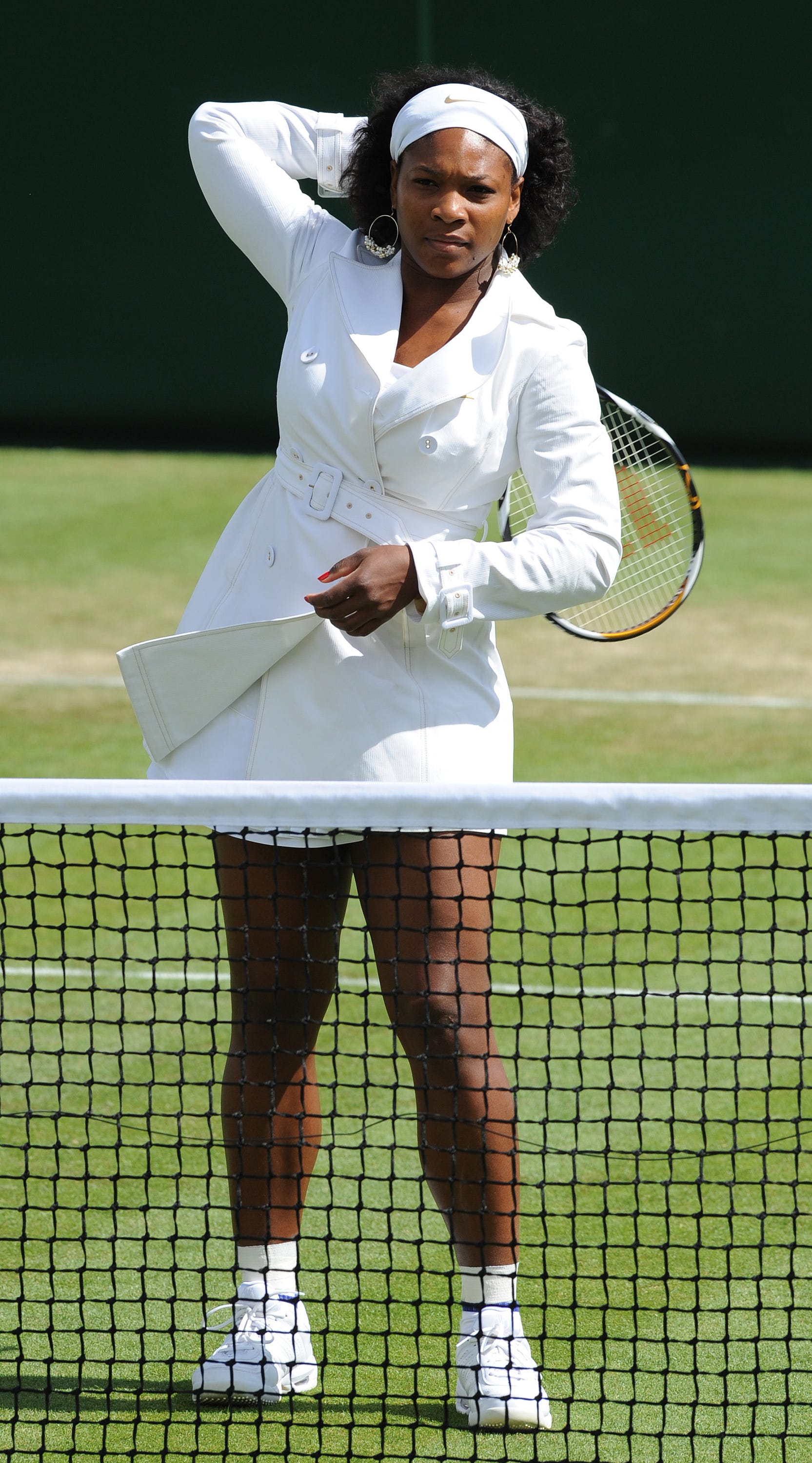
Wimbledon, 2008.EMPICS Sport - EMPICS - Getty Images
Williams isn’t simply wearing bold clothes. In a sport rooted in white, upper-crust traditions, her denim skirts, catsuits, and beaded braids—famously, a style sported by her equally fashionable sister, Venus—rejected the notion that tennis clothes had to be quiet or conformist.
Advertisement
“Serena was never interested in fitting into what already existed,” McLeod says. “Part of it is everything she had to push through just to be seen. So pushing boundaries on court and in fashion is just how she has always lived. Playing it safe was never going to be enough for her.”
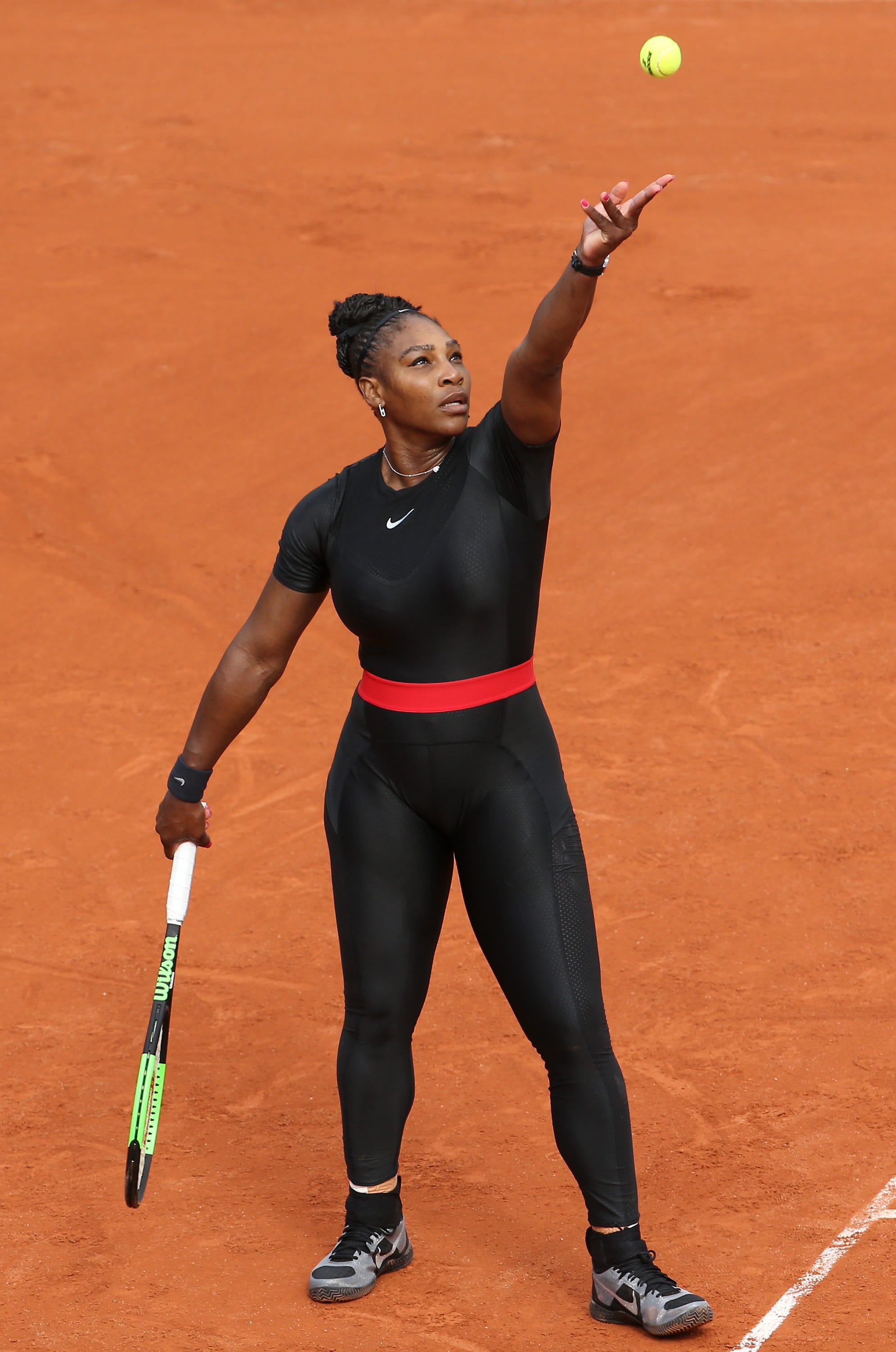
French Open, 2018.Jean Catuffe - Getty Images
To Kumar Nair, Williams represented a generational break from pioneers like Althea Gibson and Arthur Ashe. While earlier Black champions often had to conform to tennis’s conservative ideals to gain acceptance, Williams refused to shrink herself to fit the sport’s expectations. “Looking at her predecessors like Althea, these are people who kept within the framework of being very conservative and proper, relaying the image of being not a problem,” the author notes.
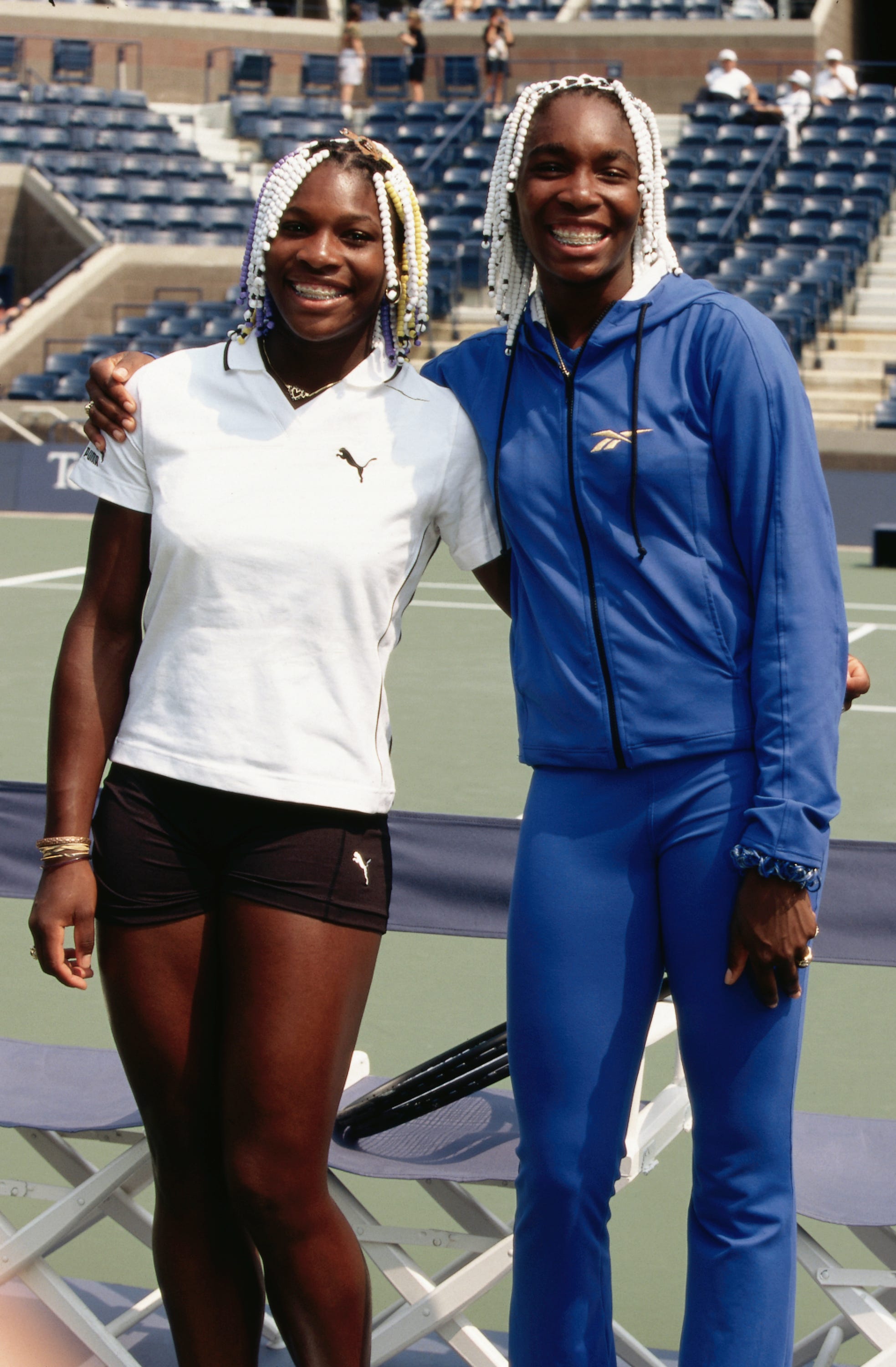
Serena and Venus Williams at the 1998 US Open.Mitchell Gerber - Getty Images
At the 2018 French Open, she worea black skintight Nike catsuit with red detailing. Not only a stylistic choice, the full-length compression design helped maintain blood circulation after the blood clots she suffered during the birth of her daughter, Olympia. The outfit drew criticism from the French Tennis Federation president, who panned the look as disrespectful, which Williams quickly brushed off.
The following year, Virgil Abloh had an idea to outfit Williams in a long skirt with a cape—similar, in theory, to the sweeping Germanier look Osaka wore at this year’s tournament—as a way to prod at the criticism she received in 2018. Williams decided against it, instead opting for an Off-White x Nike look marked by its cropped cape printed with the words “Mother, Champion, Queen, Goddess.” While she expressed regret over shelving the idea in the wake of Abloh’s death in 2021, the message was written loud and clear.
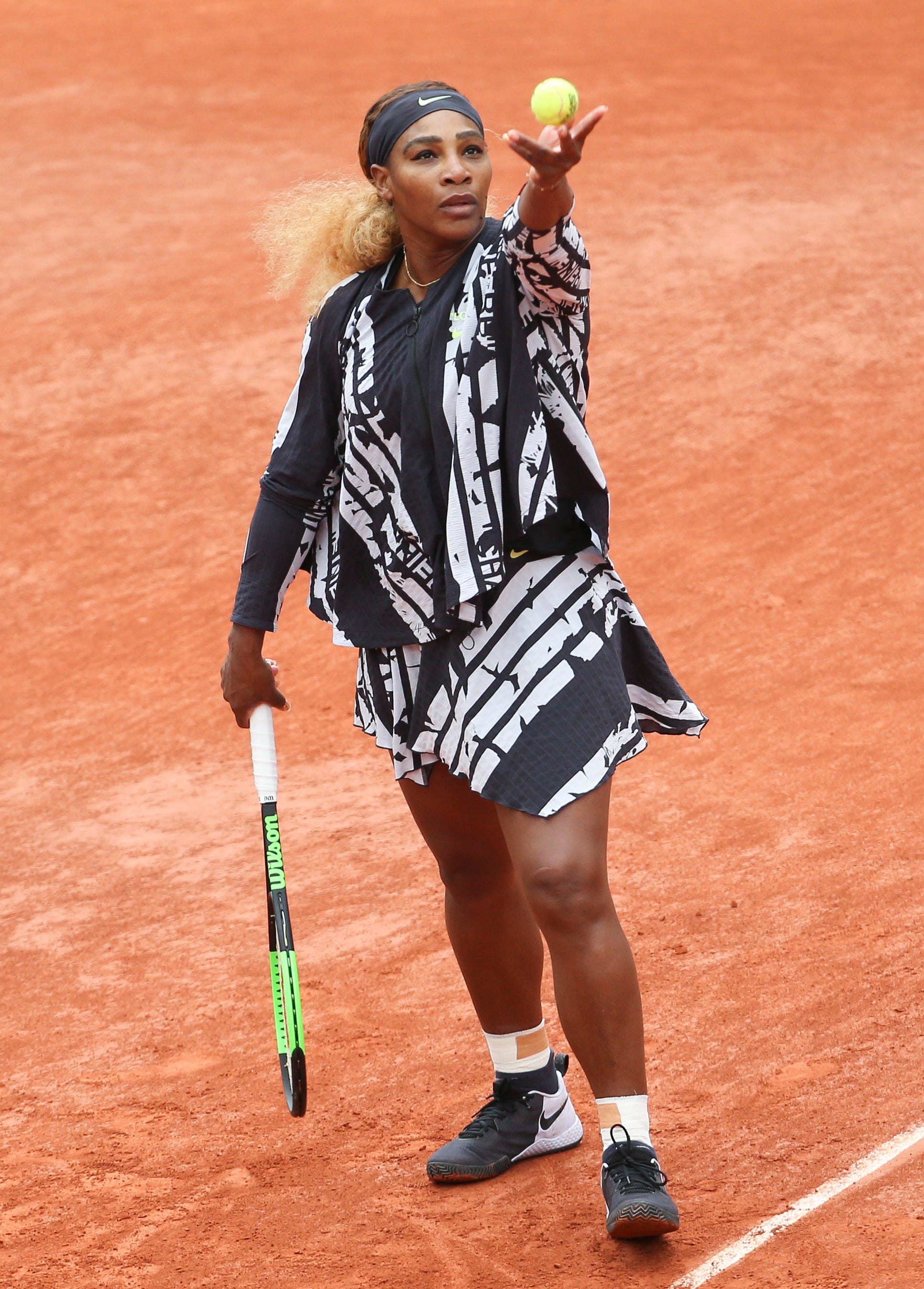
French Open, 2019.Jean Catuffe - Getty Images
Williams and Abloh’s most memorable—and perhaps most notorious—collaboration came a year earlier at the 2018 US Open, where the tennis star received three code violations during the final, including penalties for coaching and “unsportsmanlike conduct.” Her outfit, a black one-shoulder Off-White x Nike tutu dress, underscored the tension between femininity and strength that had long defined both her style and the public’s perception of it.
“When I look at Coco with Miu Miu, or Naomi working with designers like Richard Quinn, I see Serena and Venus in it,” McLeod says. “So much of what Serena was doing has become the norm. These young women get to treat fashion as part of their identity because she helped make that normal. Her influence is on the court and off it. She helped create the shift.”
As Williams takes to the historic grass courts of Wimbledon, win or lose, her place in fashion—and tennis—history is already secure.
You Might Also Like
Here’s What 40 Celebrities Looked Like as Teenagers
Is Collagen Banking the Answer to Younger-Looking Skin?
Trust Us—These Editor-Approved Fragrances Will Have You Smelling Like a Dream
Source: “AOL Entertainment”
