


Trump beef import plan rattles cattle markets, ranch groups across the U.S.
Trump beef import plan rattles cattle markets, ranch groups across the U.S.

Colleen Kottke, Wisconsin State FarmerWed, August 26, 2026 at 10:02 AM UTC
0
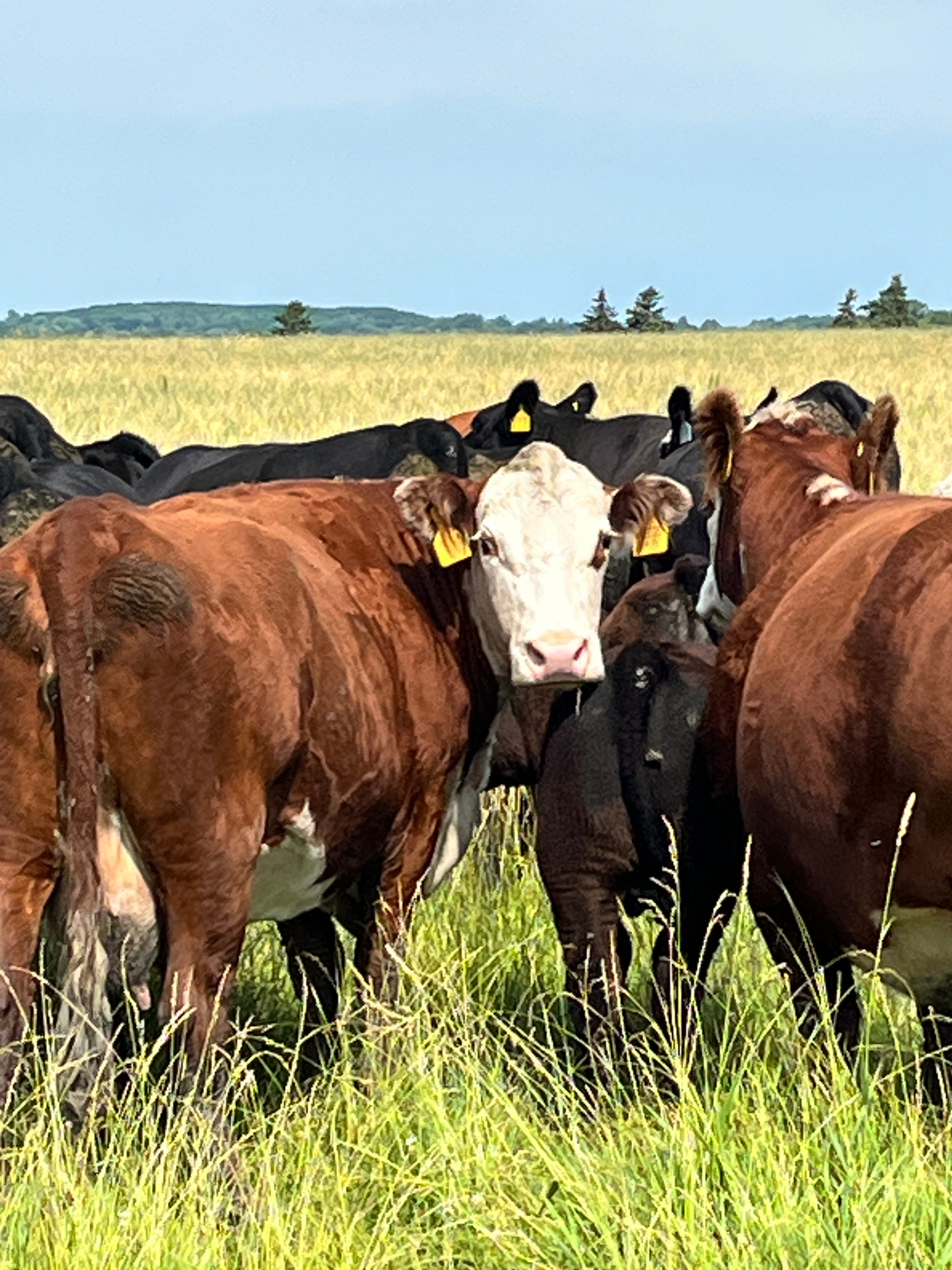
Cattle futures fell to eight-month lows shortly after President Donald Trump announced on Aug. 21 plans to allow up to 300,000 metric tons of ground beef imports into the United States at reduced tariff rates in an effort to lower consumer prices.
The Oklahoma Farm Report noted that live cattle futures fell $3 to $4 per hundredweight and feeder cattle futures dropped $3 to $6 per hundredweight Friday morning, immediately following Trump's declaration on Truth Social that beef imports would be "sold at 25% below current market prices". By market close, however, many contracts had recovered much of those losses.
At a time when U.S. cattle numbers are at historic lows and ranchers are slowly rebuilding herds after years of drought, high input costs, and disease-related trade disruptions, the administration's move has triggered pushback from farm and ranch groups and Republican lawmakers who are often aligned with the president on agricultural policy. Many warned that the move could weaken cattle markets, slow herd rebuilding, and benefit meatpackers more than producers.
The criticism was notable coming from Montana Republican Sen. Tim Sheehy, who represents one of the nation's top cattle-producing states.
"I've advised President Trump against this course of action for a year because American ranchers have been struggling against packer monopoly for decades and this will harm them..." Sheehy posted on X. "This action will make it more difficult for American ranchers to rebuild our herd and bring prices down for the American people."
GOP Rep. Thomas Massie of Kentucky posted on social media that the announcement was a "slap in the face to American cattlemen and consumers.
"Dumping foreign beef in U.S. markets can temporarily lower prices but it won't incentivize American farmers to raise more beef," Massie said.
Cattle producers warn against low-cost beef imports
The National Cattlemen's Beef Association, the largest lobbying group representing U.S. ranchers and cattle feeders, agreed that Trump's plan would hurt farmers and ranchers and could discourage the expansion of the U.S. herd.
"While America's cattle producers share the goal of keeping groceries affordable for consumers, flooding the market with government-subsidized, below-market beef is not the way to rebuild the American cattle herd," the association's CEO, Colin Woodall, said in a statement.
U.S. Ag Secretary Brooke Rollins supported Trump's decision to allow more imported ground beef into the country, saying it will help Americans shrink their grocery bills.
"We're going to see that cost of ground beef go down," Rollins told reporters at the Iowa State Fair last Friday, adding that consumer ground beef prices have dropped close to 2% over the past two weeks. "We're already making progress."
Sunghun Lim, an Iowa State University economics associate professor, told the Des Moines Register that consumers shouldn't expect to see a 25% drop at the grocery store. "The more cautious interpretation is that the measure should put downward pressure on ground beef prices relative to where they otherwise would have been."
Economists and traders say 300,000 tons over 90 days would be a 'drop in the bucket' and do little to noticeably reduce beef prices.
"It really does nothing to fix the main issues which is a greatly reduce supply of cattle here in the U.S.," independent trader Dan Norcini told Reuters. "That will take time and the actions of the market to correct."
Beef prices have inched upward near record highs, with cattle numbers in their lowest in 75 years due to ranchers culling herds due to years-long droughts that dried up grazing lands and drove up feed prices. The advance of the New World screwworm forced U.S. officials to close the border to Mexican beef, further tightening supplies. Reuters reported that U.S. meatpackers have been shuttering processing plants in response to soaring cattle costs.
Advertisement
U.S. is already importing beef at record levels
American Farm Bureau Federation President Zippy Duvall said that the U.S. is already importing beef at record levels.
"This decision would be an unprecedented move and would translate to nearly an additional 60% increase in imports over the next 90 days," Duvall said in a statement.
Despite high beef prices in grocery stores, prices paid to farmers and ranchers for their cattle have fallen sharply over the past two months, and beef packing plants are shutting down across the U.S. Further undercutting a fragile recovery by swamping markets with foreign products and attempting to manipulate prices threatens to wipe out any progress that has been made," he said.
“Short-term measures (like this) could have long-term negative effects for consumers and for ranchers who are making decisions on whether to retain or expand their herd. Growing dependence on foreign-grown food could ultimately lead to even higher grocery costs and reliance on other nations for our food security," Duvall said.
In his announcement on Truth Social, Trump did not provide any details on which countries would supply beef or discount their export prices.
"Consumers deserve to know where their beef comes from and ranchers deserve credit for raising it," said National Farmers Union President Rob Larew. "Imported beef is just a handout for monopoly meat packers, who can mix cheap imported beef with American beef and pocket the difference, with no guarantee that consumers ever see lower prices or ranchers see fair ones."
Larew stated that mandatory country-of-origin labeling fixes that.
"It holds packers accountable and lets the market work honestly for everyone," he said.

Wisconsin Farmers Union President Darin Von Ruden criticized the Trump administration's decision, arguing the move fails to address the underlying causes of high beef prices.
“Four companies control more than 80 percent of U.S. beef processing. With that much market power concentrated in so few hands, bringing in more imported beef does nothing to address the lack of competition in the system," Von Ruden said. "This move by the administration does nothing but undermine U.S. beef farmers who are already trying to compete in an increasingly consolidated marketplace."
Von Ruden said the U.S. needs solutions that lower costs for families while strengthening American agriculture.
"That means enforcing antitrust laws, supporting independent and regional processors, improving price transparency, and giving farmers more places to sell their livestock," Von Ruden said.
The U.S. Cattlemen's Association says rebuilding the U.S. cattle herd remains challenging as producers contend with high costs, inflation, drought and wildfire-related grazing losses. USCA President Justin Tupper warns that a significant increase in imports could further weaken market confidence and discourage the investments needed to expand herds, adding pressure to an industry already facing substantial economic and environmental hurdles.
“You don’t put America first by putting U.S. cattle producers last,” Tupper said in a statement. “This move will weaken our markets and gamble with food safety in the process.”
Donelle Eller of the Des Moines Register contributed to this report
This article originally appeared on Wisconsin State Farmer: Trump beef import plan rattles cattle markets, ranch groups across the U.S.
Source: “AOL Money”
