


The small businesses living under the shadow of demolition
The small businesses living under the shadow of demolition

Benedict J SmithWed, August 26, 2026 at 11:04 AM UTC
0
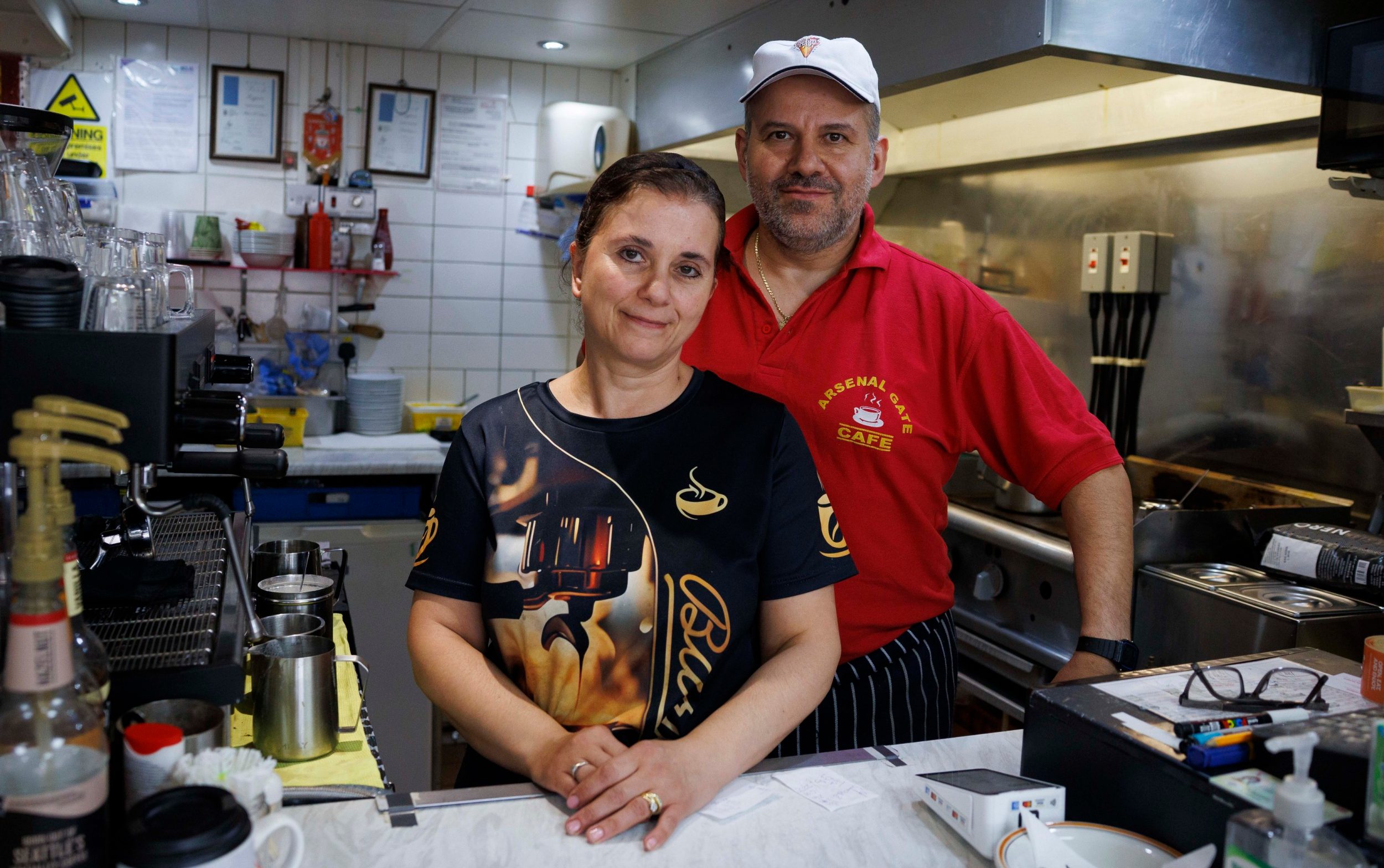
Sibel and Mahmut Suleyman were informed their business was on a site earmarked for a £280m redevelopment scheme in 2014 - Jamie Lorriman
Stepping into the Arsenal Gate Café in Woolwich is like entering a time capsule.
Bright-red bottles of ketchup sit atop single-unit tables and chairs, rashes of bacon sizzle on old-school grills, and the clack of shoes on tiled floors can be heard above the chatter of loyal patrons.
There’s an undeniable charm to the café. But the passé interior is also a reminder of a painful reality for Cypriot owners Sibel and Mahmut Suleyman.
Since 2014, they have been stuck in limbo after discovering their business was part of a site earmarked for a £280m redevelopment scheme.
However, more than a decade on, the project is yet to get off the ground – despite the council gaining approval for a compulsory purchase order (CPO) in 2023.
Tales of stalled urban renewal schemes can be found littered across London, from the Aylesbury estate in Southwark to the Whitgift Centre in Croydon.
Yet while the causes of the delays vary, the consequences are nearly always the same: blameless victims trapped in a perpetual state of inertia, their businesses left to fall into disrepair.
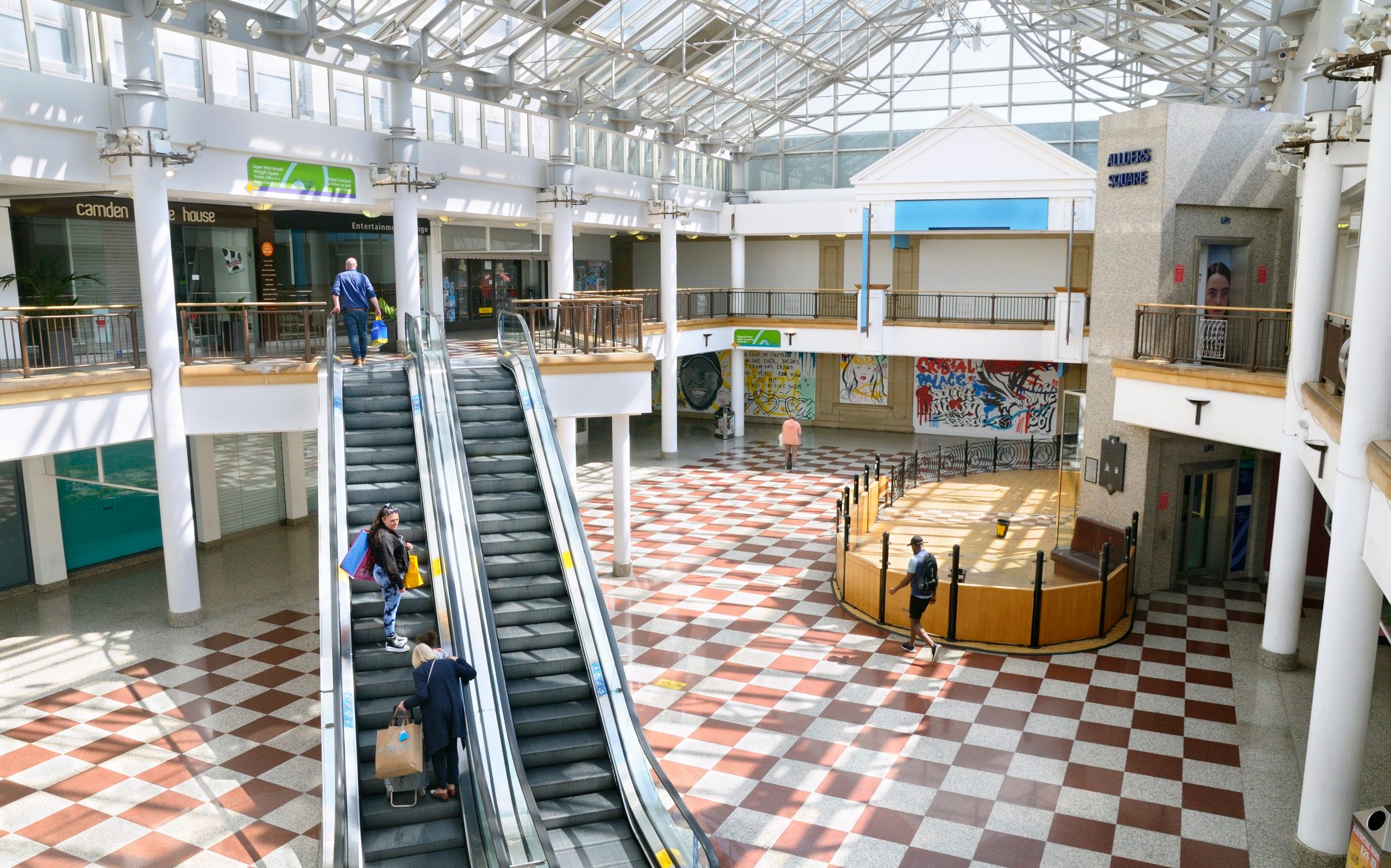
Proposed redevelopment plans for the Whitgift Centre in Croydon were first put on ice in 2019 - Chris Harris/Getty
Now, the Suleymans have been informed that their business will be saved as it is no longer part of the scheme.
But they have spent the past few years holding back on investing in the café for fear of being unable to recoup their outlay, and say they continue to live under a cloud of uncertainty.
“It’s been a nightmare,” says Sibel. “We’ve been hanging on and waiting for many, many years now.
“The council has told us so many things in the past so we’re just waiting and seeing how it all goes. We’ve put everything on standstill.”
“All these people are in the shadow of the CPO,” says Tom Olden, a surveyor at Olden Property who has represented many of the businesses affected by the Woolwich scheme since 2014. “They’re left in a very tough position.”
‘They are underpricing us’
Few would argue that the site designated for the so-called Woolwich Exchange project isn’t in dire need of some TLC.
Just a short march from the grand buildings of the former Royal Artillery Barracks, the area’s crumbling brickwork and increasingly shabby shopfronts jar with the glistening new Elizabeth Line station, which was completed in 2022.
The original proposal for redevelopment included plans for 800 homes, restaurants, a retail space, gym and cinema, after Greenwich council identified the land for redevelopment in 2012. It hailed the scheme as “a key chapter” in the borough’s “regeneration story”.
A stumbling block arrived six years later when the covered public market, built in the interwar years, was granted Grade II listing status, forcing the developers to include it in any plans.
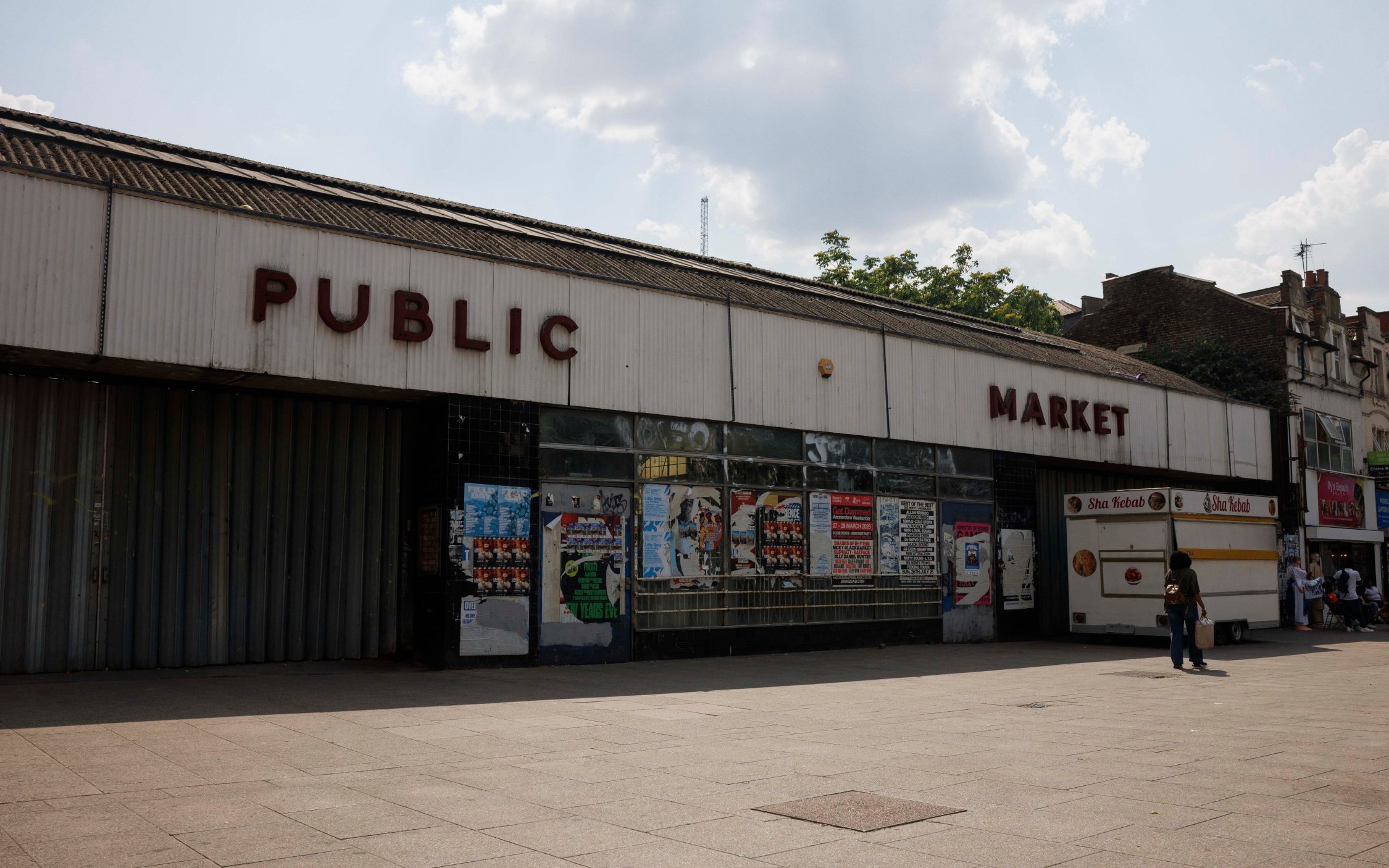
The Grade II-listed former covered market stands abandoned and dilapidated after years of inactivity - Jamie Lorriman
But despite planning permission being approved for the revised proposal in 2021, soaring development costs as a result of Covid, global conflicts and new building safety regulations have forced all but one of the developers – Notting Hill Genesis – to pull out.
Since then, the project has stalled.
“It’s a viability issue,” says Olden. “Over 12 years, there have been major obstacles to development, the economy is unrecognisable. We’ve had Covid, two wars and changes to fire safety regulations, brought about by the Grenfell tragedy.”
For the businesses caught in the middle of it all, it’s been hell.
Advertisement
Tariq Ahmad, who runs Sam’s Chicken next door to the protected Woolwich market, says his business still faces the wrecking ball under the latest plans despite serving the area for 17 years.
“Everybody knows our business. We started in 2009 and it was a rundown pub when I bought it – lots of druggy people sitting outside. I spent nearly £400,000 developing it, and now we’re stuck. It’s been very stressful.”
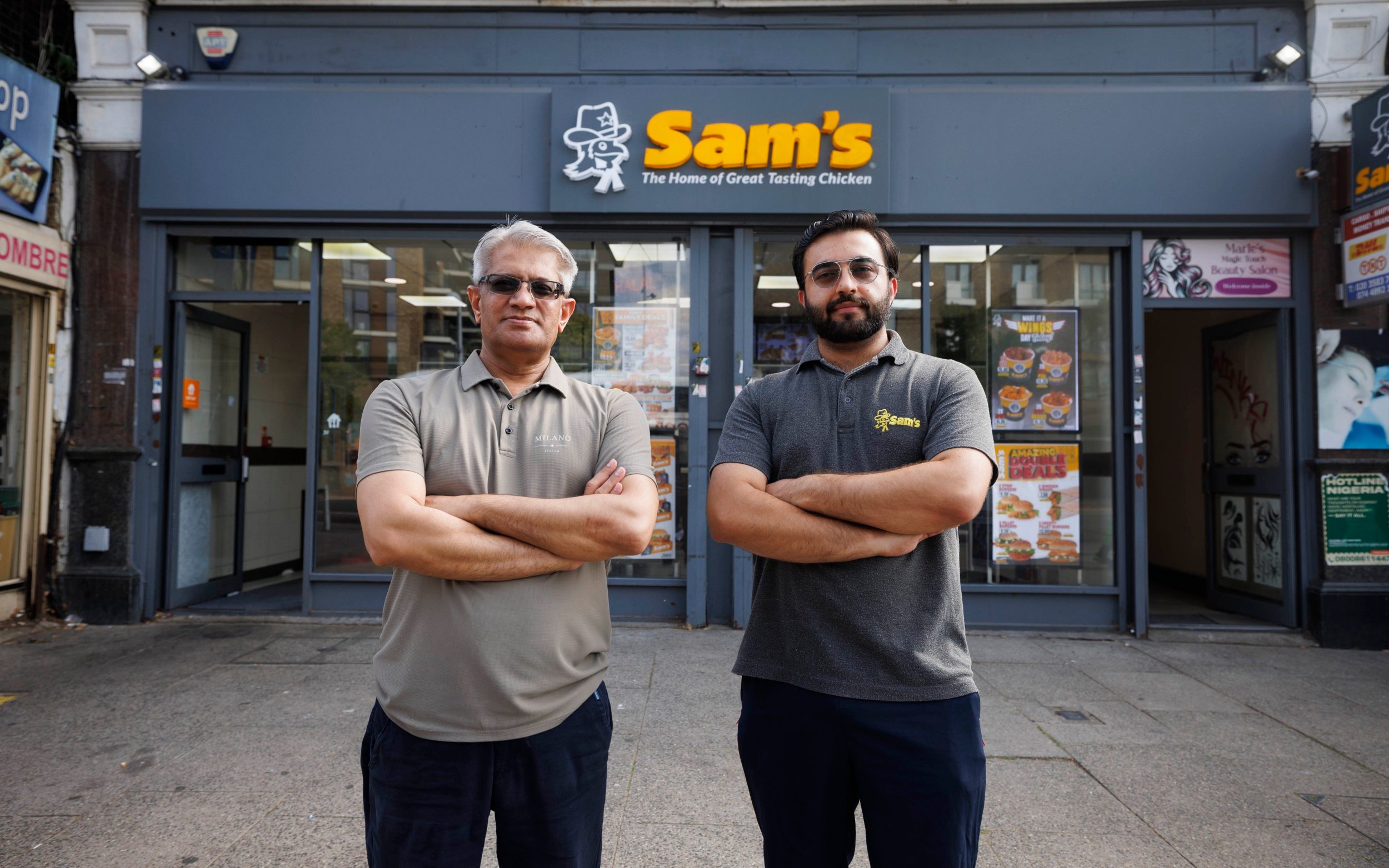
Staff at Sam’s Chicken stand outside the site still set for demolition a full 12 years on - Jamie Lorriman
Ahmad was first made aware of the regeneration plans around a decade ago, but when the most recent valuation of the premises came back from the council, Ahmad was told it was worth just £700,000.
This was well below the £900,000 he originally paid for the property and just a fraction of the £2.2m valuation that came back from his own surveyor.
At 67, Ahmad says the prospect of starting all over again in a new location is out of the question, yet like the Suleymans, he is hesitant to invest any more money in the business when the future of the scheme is still so uncertain.
With nobody willing to buy a condemned property, he has little choice but to stick it out and wait.
“This is my pension. My grandchildren are going to school and I want to look after them. If the council wants the building, they need to give us a proper value for the property and the business. But at the moment, they are underpricing us.”
‘Compulsory purchase is an archaic tool’
The council has said it will give businesses at least six months’ notice before taking possession of any property and that no one will be required to vacate before April 2028.
However, Olden believes the fundamental problem at the heart of redevelopment schemes is that CPOs are often waved through, but the timeframe for implementing them can drag on for years, with no legal obligation for the proposed scheme to go ahead.
For those living under the CPO, however, it is akin to being served a death sentence with no sense of when – or even if – it will ever happen. It’s also bad news for protected heritage buildings as renovation work cannot go ahead until the project is under way, something that has left the Woolwich covered market to fall into an increasingly sorry state.
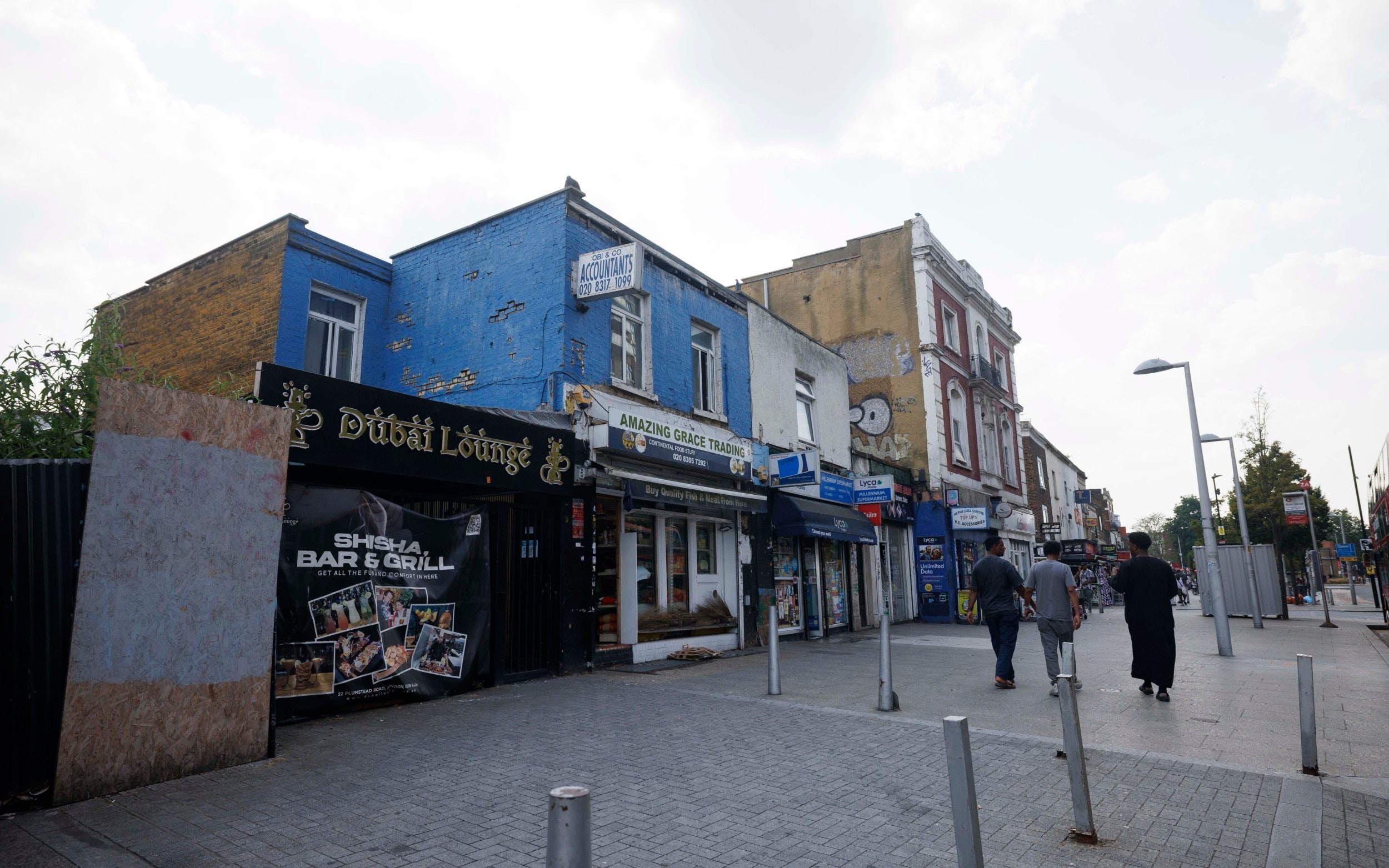
Many buildings on the proposed Woolwich Exchange site are still at risk - Jamie Lorriman
“Compulsory purchase is a very archaic tool,” says Olden. “I believe if you’re given the power to force people out of their homes or businesses, you should only get those powers when the money’s practically in the bank to make certain the scheme happens.”
But, he admits, “that’s a perfect world and developers don’t work in a perfect world”.
A more realistic option for the Woolwich Exchange plan could be a piecemeal approach: rather than attempting to buy up every building for a major scheme, the council could open it up to a number of smaller developers who would work on different sections within the designated space.
“Over the years, [the businesses in Woolwich] had smaller developers coming to them saying, ‘we’d like to acquire your property’, and being offered way above existing use value, more in line with development value,” says Olden.
“There could be more likelihood of regeneration happening naturally that way, with smaller developments within the wider site.”
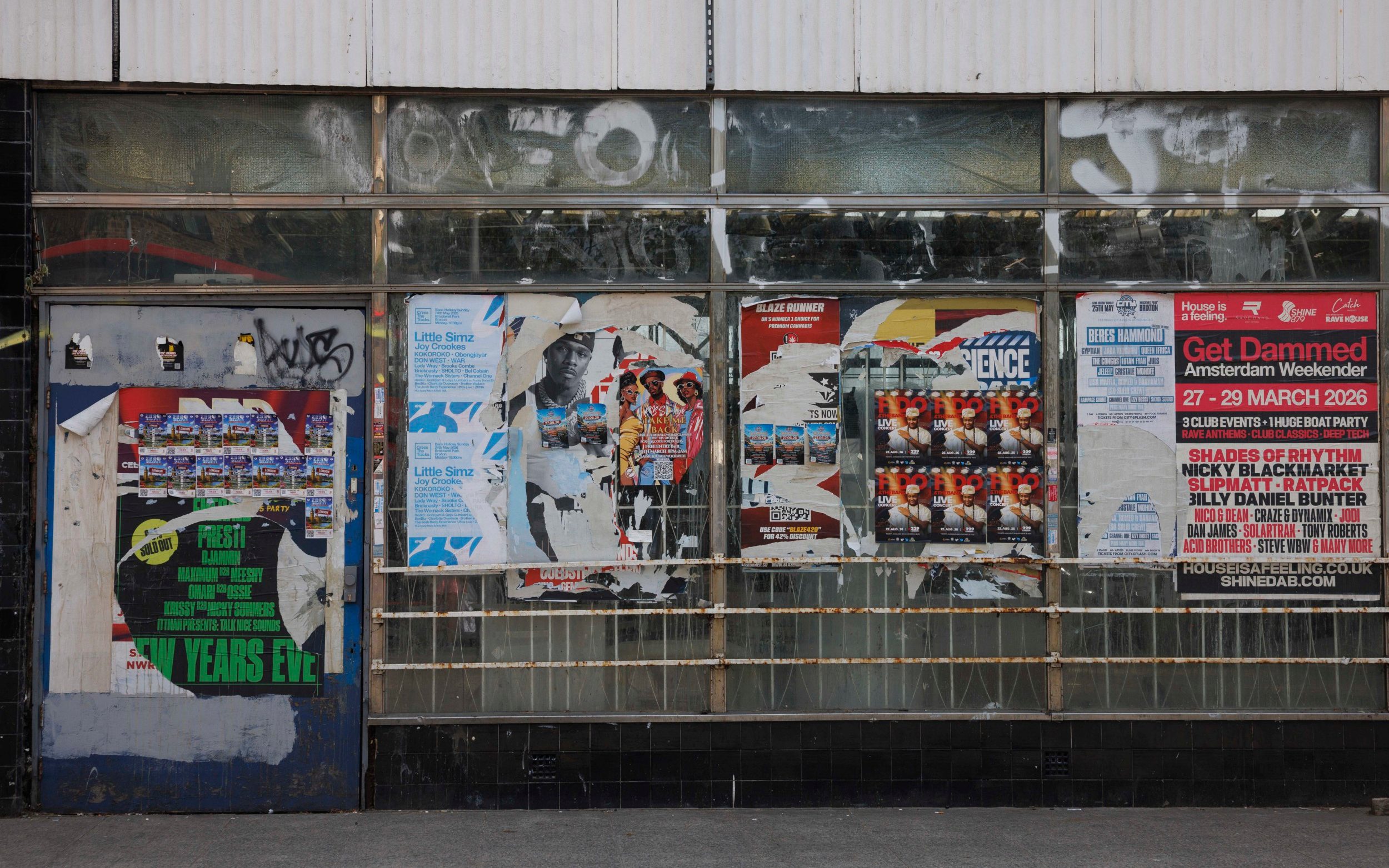
Greenwich council planners hope that grant funding will help end 14 years of ‘uncertainty’ for local businesses - Jamie Lorriman
As it stands, Greenwich council has pinned its hopes on the sympathies of Sadiq Khan, the Mayor of London, to keep the scheme alive. Planners are pursuing grant funding from the Greater London Authority, which they believe will finally bring the 14-year scheme to fruition.
In the meantime, while the Suleymans can allow themselves to breathe a sigh of relief, the uncertainty continues for those across the rest of the site, leaving a dark cloud hanging over Woolwich.
“We were all in the same boat, going to all the meetings and drop-ins,” says Sibel. “We were quite happy at first to hear that [our business was saved]. But it’s upsetting for our neighbours.”
A Greenwich council spokesman said: “We recognise there has been a period of uncertainty for businesses and have continued engaging closely with occupiers throughout the process. Our priority is to support businesses through the transition, including providing relocation support where needed.”
A Notting Hill Genesis spokesman said: “We have worked with the Royal Borough of Greenwich to keep affected parties throughout this period, and the council has recently provided an update on revised plans for the scheme and next steps.”
Source: “AOL Money”
