


Invasive Asian Swamp Eel Is Taking Over the Florida Everglades, Could Be More Destructive Than State’s Python Problem
Invasive Asian Swamp Eel Is Taking Over the Florida Everglades, Could Be More Destructive Than State’s Python Problem

Angel SaundersMon, August 24, 2026 at 11:43 PM UTC
35
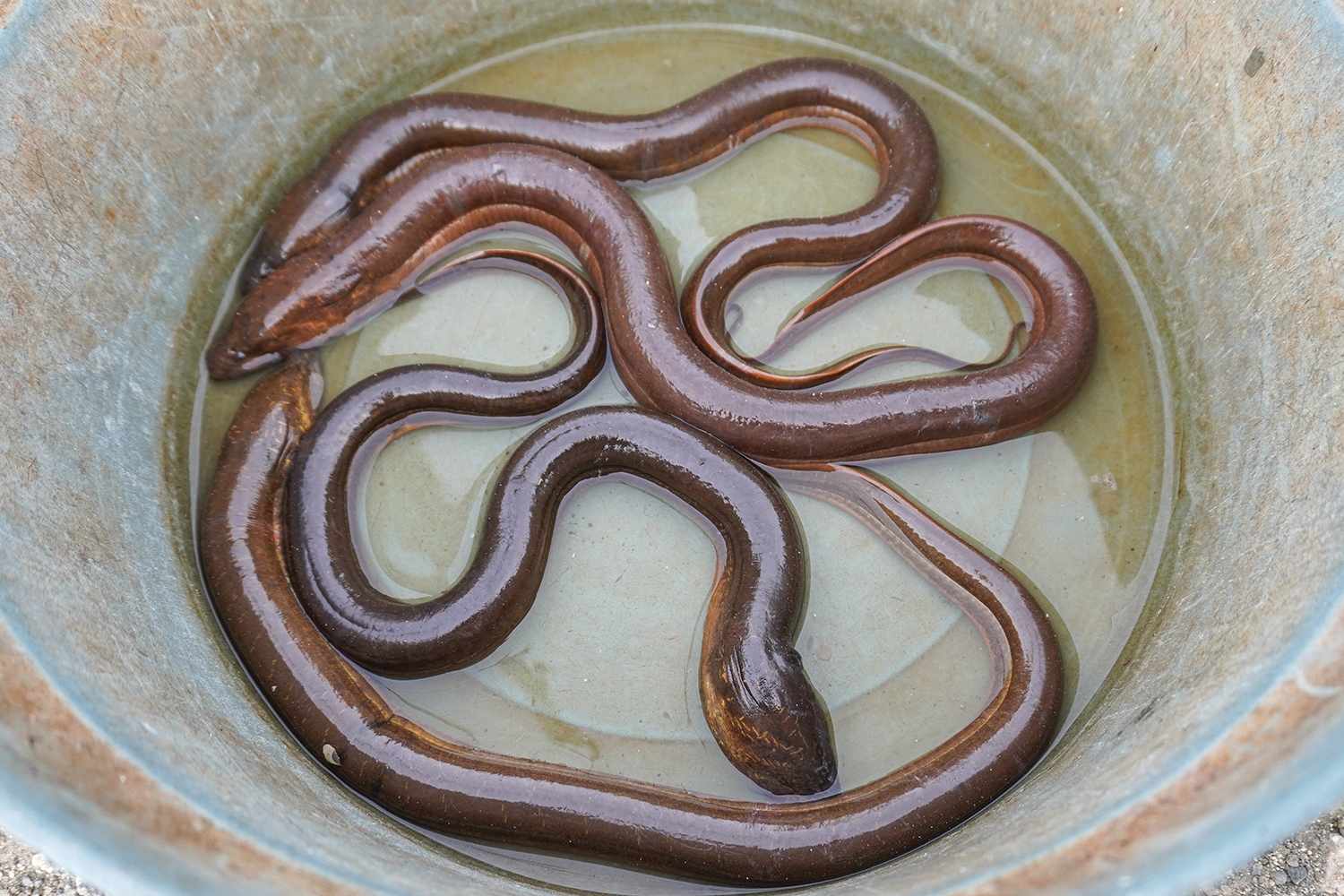
Stock image of Asian swamp eelsCredit: Getty -
An invasive fish species called the Asian swamp eel is devastating wildlife in Florida’s Everglades, threatening frogs, crawfish and wading birds
Experts say the species could be more destructive to wetlands than the infamous Burmese python
Researchers have no effective way to remove the species, which is highly adaptable and drought-tolerant
An invasive species is threatening Florida wildlife and causing concern for the ecosystem in parts of the state.
The Asian swamp eel, an air-breathing freshwater fish native to East and Southeast Asia, was first reported in freshwater canals in Tampa and southeast Florida in 1997, The Palm Beach Post reported on Monday, Aug. 24. However, in recent years, the species has crept into the northern Everglades, specifically wreaking havoc on the Arthur R. Marshall Loxahatchee National Wildlife Refuge in Palm Beach County.
“We have no way to remove this animal from the wetlands,” Florida International University Associate Professor and aquatic ecologist Nathan Dorn said in a March presentation. “If someone wants to come up with a great trap, I’ll try it.”
Dorn’s laboratory, which studies Everglades restoration and focuses on Asian swamp eels, confirmed their discovery at the Marshall Loxahatchee National Wildlife Refuge in 2025, noting that the species might have reached the area the year before.
The fish has since taken out a massive portion of the crawfish, frog and small fish populations that Florida’s heralded long-legged wading birds rely on.
Southern leopard frogs, which were previously abundant, are no longer found south of I-75 since Asian swamp eels have been introduced to the Everglades, The Palm Beach Post reported, citing a 2026 study published in the journal Freshwater Biology.
Tree frogs, which were out of the eel’s reach, remained in the area, researchers found.
In April 2025, the U.S. Fish and Wildlife Service (FWS) referred to Asian swamp eels as “High Risk.”
“Species that are considered high risk have a well-documented history of invasiveness in at least one location globally and are of establishment concern for the contiguous United States based on a climate matching analysis,” the government agency said.
Advertisement
Asian swamp eels are “drought tolerant and will burrow into mud to withstand low water conditions,” the FWS added, making them able to withstand different environments.
“I’m struggling with the fish question in general as far as how do you get rid of an established aquatic organism,” University of Florida wildlife ecology professor Frank Mazzotti told The Palm Beach Post.
“We can see the iguanas and tegus. When you look at the water, all you see is water. There is a whole other layer of sampling and detection that really complicates it,” he continued.
— sign up for PEOPLE’s free daily newsletter to stay up-to-date on the best of what PEOPLE has to offer, from celebrity news to compelling human interest stories.
Researchers have argued that the Asian swamp eels could be more destructive than the invasive Burmese python.
“Obviously, it’s not as scary because it won’t eat you or me, right?” Dorn told The Miami Herald in December 2025. “But I would say, for the wetlands, this is probably the worst invasive species that we’ve seen.”
The species is believed to have escaped from breeding ponds or been released by fishermen as bait in South Florida, and runs the risk of spreading to other communities, Hunter Howell of the University of Miami told Wildlife Society in April. Howell also said he was unsure how the eels could be stopped.
“They’re incredible creatures—it just sucks that they are here,” Howell told Wildlife Society. “Controlling an invasive species in a system like this is basically impossible.”
on People
Source: “AOL Breaking”
