


Dolly Parton’s 11 greatest songs that defined her enduring legacy
Dolly Parton’s 11 greatest songs that defined her enduring legacy

Maria Sherman Tue, August 25, 2026 at 8:34 PM UTC
24
The Independent and Yahoo will earn a commission from purchases made via links in this article. Pricing and availability are subject to change.
Dolly Parton was far more than a musician, actor, writer, philanthropist, or theme-park mogul. Parton, who died Tuesday at 80, occupied a unique place in global culture — a figure of American mythology who was truly larger than life. Yet at the core of all her achievements, she was primarily a songwriter.
Distilling 11 songs from her vast, decades-long catalog is a formidable task, but certain classics stand out. Here is a key selection from her body of work — ranging from country tracks that challenged traditional gender norms to what remains the greatest ballad ever recorded.
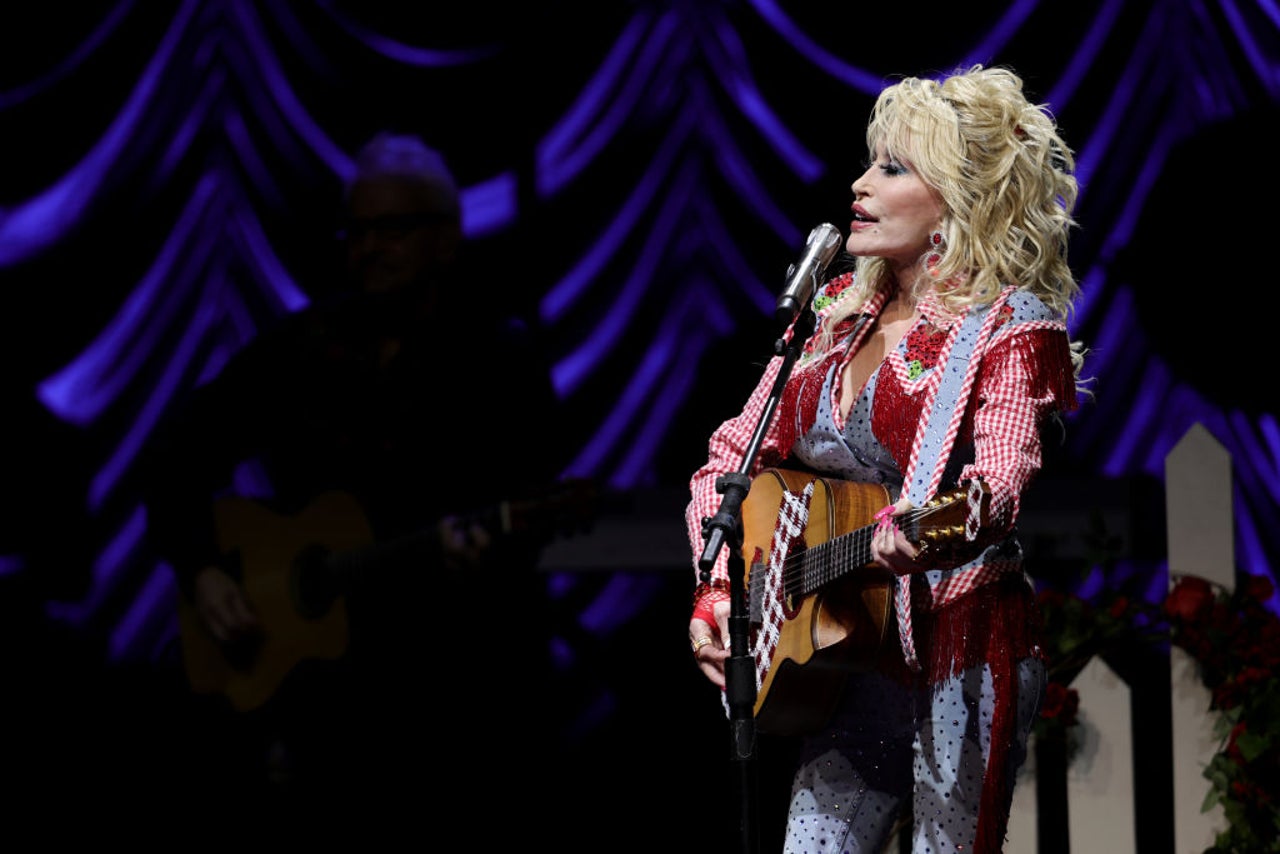
Distilling 11 songs from her vast, decades-long catalog is a formidable task, but certain classics stand out (Getty Images for SXSW)1968: “Just Because I’m a Woman”
Parton was long celebrated for the feminist themes throughout her music. That progressive sociopolitical stance is evident from the beginning of her career, which overlapped with the emergence of the women’s liberation movement. On the country classic “Just Because I’m a Woman,” Parton’s protagonist reminds her partner he need not judge her for having previous sexual partners — after all, he's had some, too. “My mistakes are no worse than yours,” she sings, “Just because I’m a woman.” She said the song was inspired by a conversation with her late husband, Carl Dean, who asked her if she’d been with any men before they met.
1971: “Coat of Many Colors”
The quintessential example of Parton the raconteur is “Coat of Many Colors.” It’s an autobiographical tale about her mother, who made a coat for Parton out of rags. She was mocked by other kids but understood its value. “Now I know we had no money, but I was rich as I could be,” she sings, “In my coat of many colors my momma made for me.”
1973: “Jolene”
It is not only one of Parton’s best-known hits, but also one of the best-known country music songs of all time. “Jolene” was inspired by Dean; Parton told NPR in 2008 that she wrote the song about a flirty bank teller who seemed to take an interest in him.
“She got this terrible crush on my husband,” she said. “And he just loved going to the bank because she paid him so much attention. It was kinda like a running joke between us — when I was saying, ‘Hell, you’re spending a lot of time at the bank. I don’t believe we’ve got that kind of money.’ So, it’s really an innocent song all around, but sounds like a dreadful one.”
Advertisement
1974: “I Will Always Love You”
The second single from Parton’s 13th studio album, “I Will Always Love You” is most known for its rendition by Whitney Houston. But the Parton original was written for Porter Wagoner ahead of her departure from “The Porter Wagoner Show.” (She left in 1974, having collaborated with him since 1967.) There have been several versions, but none as resonant as Houston’s, recorded in 1992 for the soundtrack to “The Bodyguard.” The song topped the all-genre Billboard Hot 100, where it stayed for a then-record-breaking 14 weeks.
1977: “Here You Come Again”
Parton wrote an overwhelming number of her hits, which makes “Here You Come Again” an interesting outlier. It was penned by Barry Mann and Cynthia Weil, first recorded by B.J. Thomas and originally conceived with the idea that Brenda Lee would record it. The song made its way to Parton and became a tentpole pop crossover hit for the country artist. But make no mistake — Parton made sure the steel guitar was heard loud and proud.
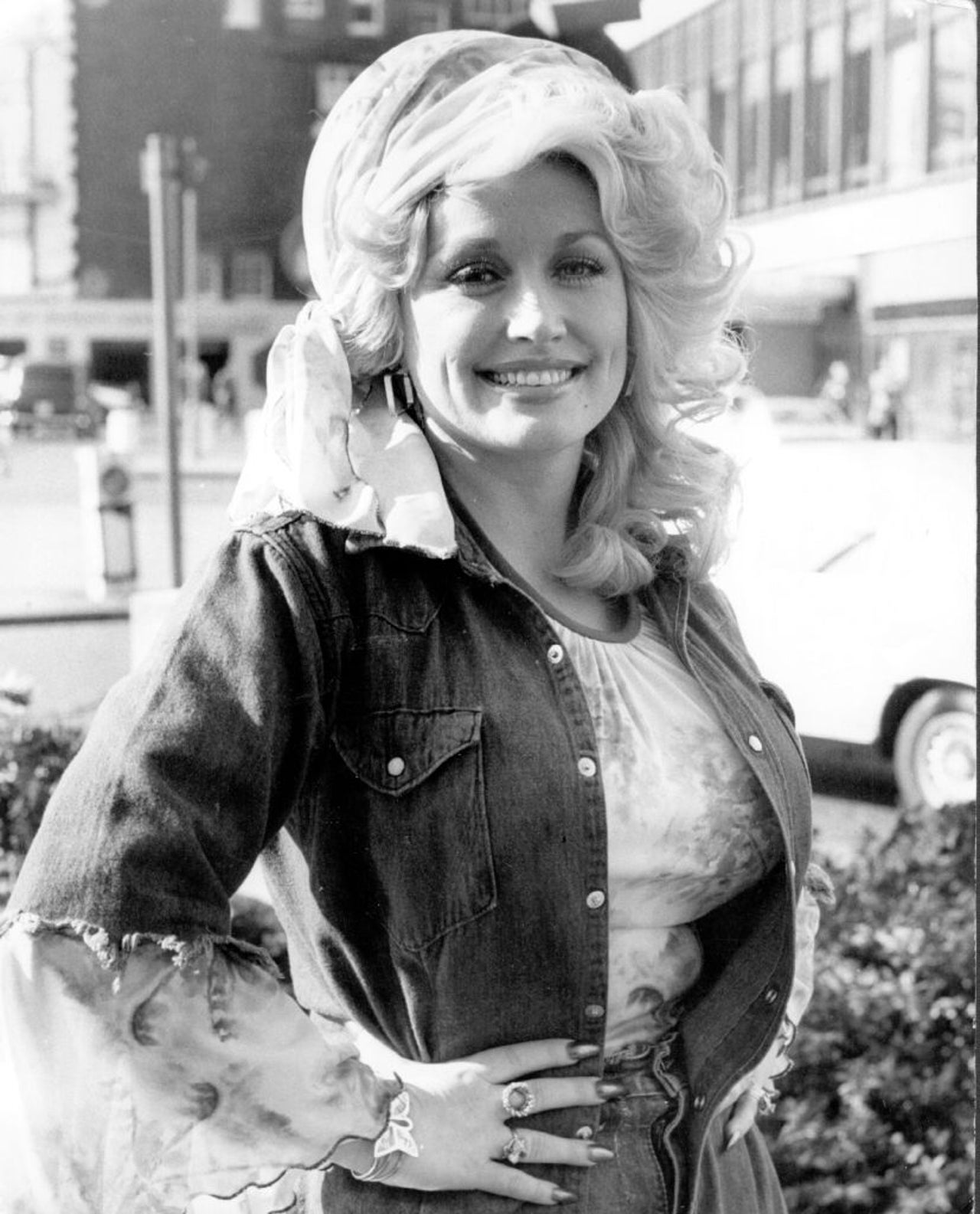
Parton wrote an overwhelming number of her hits (Getty Images) 1980: “9 to 5”
Enter Parton, the Hollywood star. It begins with the sound of a typewriter. (That clacking sound? Parton originally conceived of it by striking her long acrylic nails together.) The ebullient “9 to 5” was written for the 1980 film of the same name, which starred Jane Fonda, Lily Tomlin and Parton in her acting debut. The song also appears on her album “9 to 5 and Odd Jobs.” Lyrically, it celebrates women in the workplace and serves as a battle cry for pay equity; it earned Parton her first Oscar nomination.
1983: “Islands in the Stream,” with Kenny Rogers
By the 1980s, Parton had fashioned herself as a mainstream celebrity. On “Islands in the Stream” with Kenny Rogers, her clarion soprano makes for perfect harmonies. That shouldn’t come as any surprise, but perhaps this will: The song was written by the Bee Gees. Barry Gibb maintained it was meant for Diana Ross, while Robin Gibb said it was meant for Marvin Gaye. Whatever the case, it got to Parton and Rogers, and the rest is history. It's also a reminder of how R&B and country music are inextricably linked.

On ‘Islands in the Stream’ with Kenny Rogers, her clarion soprano makes for perfect harmonies (Getty Images)1989: “Why’d You Come in Here Lookin’ Like That”
Before this triumphant return to capital-C country music, there was a deeper detour into ’80s drum machine-heavy pop. (If there's a single Parton album to consider skipping, it is 1987’s “Rainbow.”) But what came after, 1989’s “White Limozeen,” should be celebrated for “Why’d You Come in Here Lookin’ Like That,” with its steel guitar, banjo, mandolins, Pedabro and a fierce fiddle courtesy of Ricky Skaggs — all while Parton playfully objectifies a man with a cheeky wink.
1999: “The Grass Is Blue”
“I’ve had to think up a way to survive,” Parton opens the title track to her 1999 album “The Grass Is Blue.” She said she wrote the bluegrass ballad in 30 minutes, during a lunch break while filming “Blue Valley Songbird,” a made-for-television musical drama about a woman who tries to leave an abusive partner. It features her scratch vocals — a demo meant to serve as a blueprint for the final recording — providing an additional rawness to a song of impossible pain. “And the sky is green / and the grass is blue,” she sings. “And I don’t love you.”
2001: “Little Sparrow”
If there is anything resembling a dip in Parton’s overwhelming popularity, it arrived in the ’90s, when country listeners instead embraced the glossy pop-country of Shania Twain and LeAnn Rimes. A pivot arrived at the end of that decade and into the one that followed, when Parton endeavored to make roots albums — pulling from bluegrass, country, gospel and Appalachian folk — that reinvigorated her music career. The heartbreaking a cappella harmonies of the title track on her 2001 album “Little Sparrow,” released one year after the death of her father and dedicated to him, are further evidence of her greatness. Parton’s is a voice that knows no bounds. But to remind people of that fact? Sometimes it takes going back home.
2014: “Blue Smoke”
No one writes place like Parton. On “Blue Smoke,” with its youthful choo-choo spirit, Parton brings the listener into her childhood home in the Blue Ridge Mountains, gorgeous, desolate and nostalgic. “Blue Smoke climbin’ up the mountain, Blue Smoke windin’ ’round the bend / Blue Smoke is the name of the heartbreak train that I am ridin’ in,” she sings. “I left a note, I wrote, ‘I’m leaving and I won’t be coming back’ / Blue Smoke rolling, rolling, rolling, rolling, rolling down the track.”
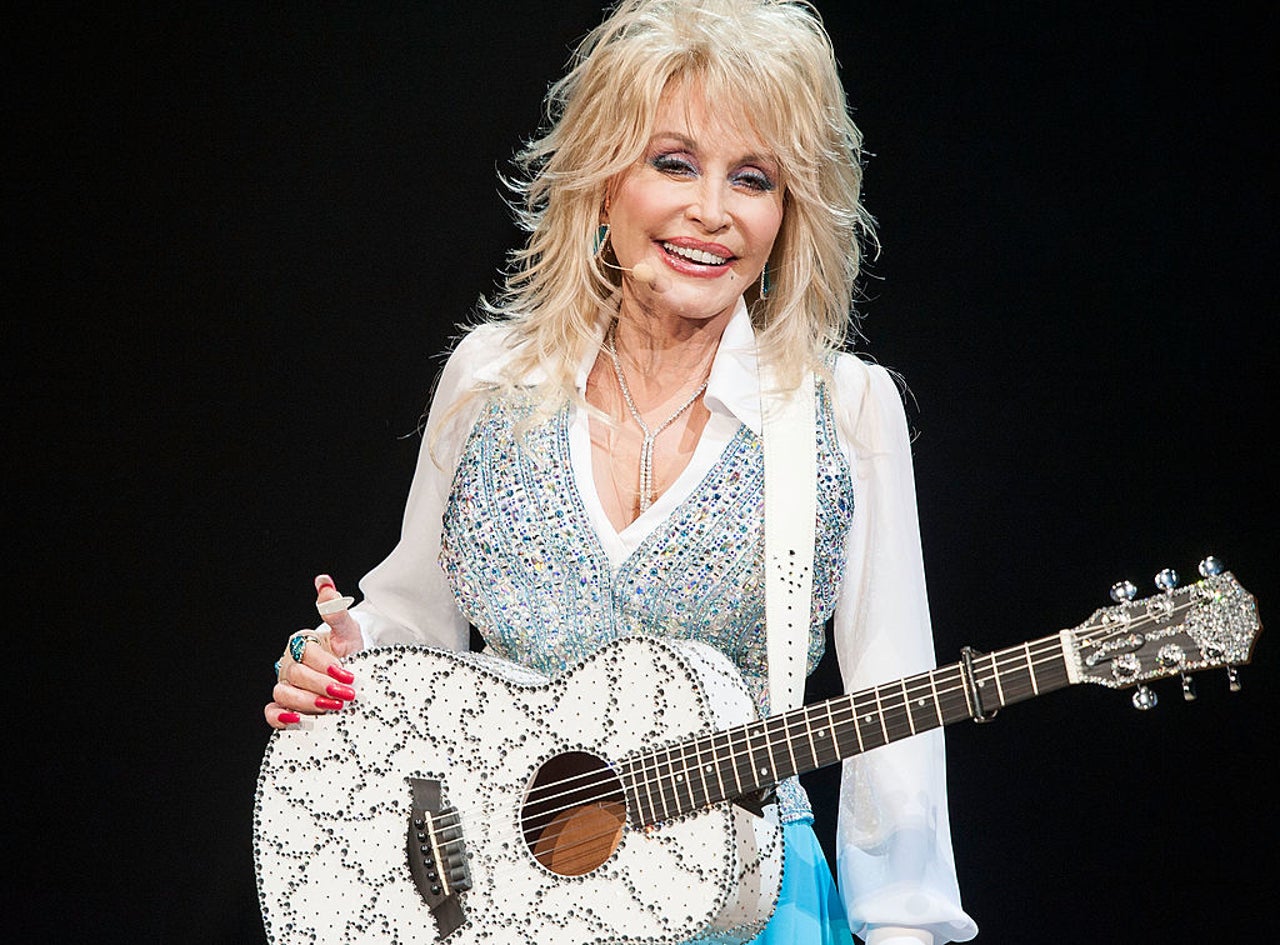
No one writes place like Parton (Getty Images)
Source: “AOL Entertainment”
